
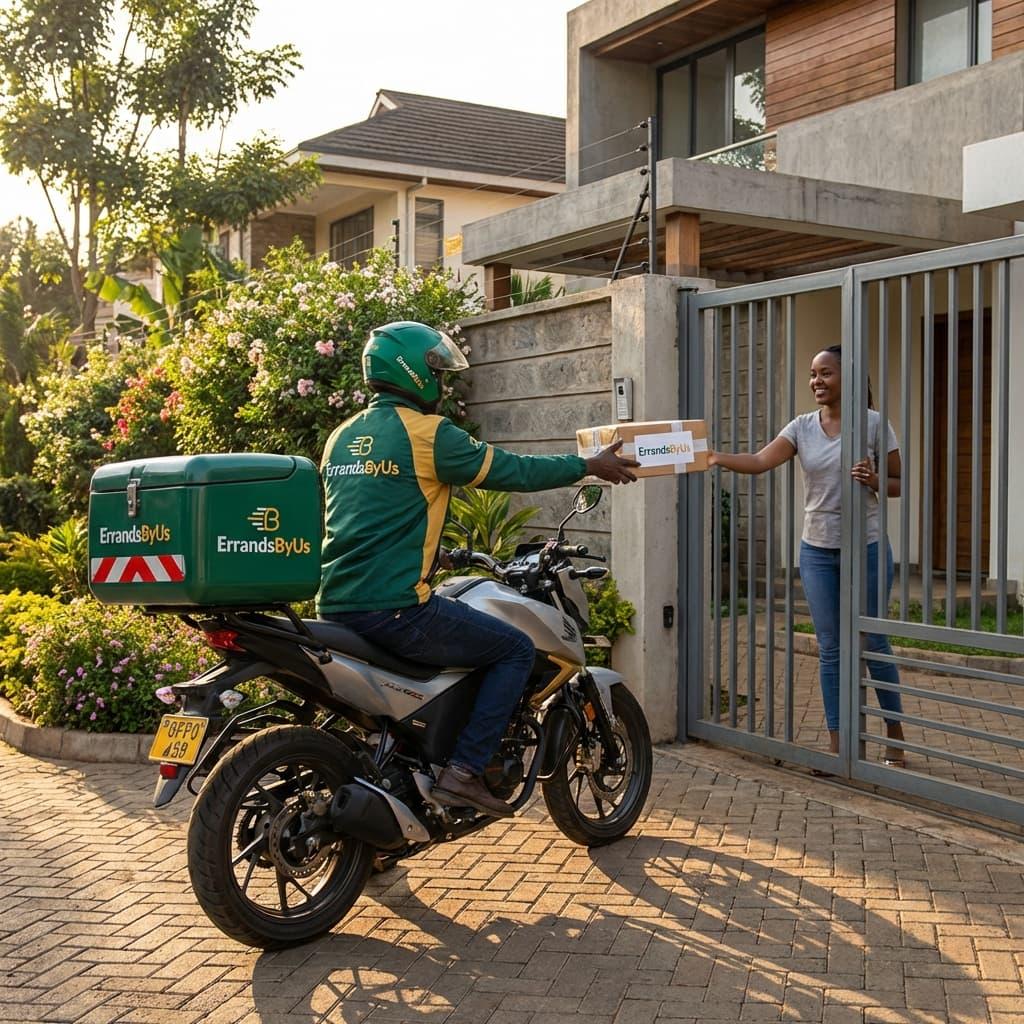
From ordering food with a tap to sending money in seconds, convenience has changed how we live and do business. But what happens when we can no longer tolerate anything that takes a little longer?
We have become accustomed to getting what we want without moving very far, waiting very long, or putting in much effort. A meal is delivered to our doorstep. Money moves between accounts in seconds. A ride is only a few taps away. Shopping, banking, and even business meetings can happen without leaving the house. What once required time, planning, and physical effort can now happen almost instantly, and somewhere along the way, convenience stopped being a bonus. We started treating it as a basic expectation. But are we becoming too dependent on it?
When convenience becomes the expectation
Consider how much has changed. We no longer need to visit a bank every time we want to move money. We can order meals, book transport, shop for groceries and access services from our phones. Businesses have also embraced this shift. Digital payments, online ordering, automated customer support and delivery services have made it easier to serve customers. These developments are valuable. They save time, reduce unnecessary effort and open up new ways of doing business. But there’s another side to the story. When customers get used to immediate service, their tolerance for delays decreases. A business that takes hours to respond may lose an enquiry to one that replies in minutes. A complicated payment process can send a customer looking for another provider. Convenience is no longer just an advantage. In many situations, it has become part of what customers expect.
What happens when convenience fails?
The real test comes when the systems we depend on stop working. A payment platform becomes unavailable. A delivery is delayed. An app refuses to load. A customer cannot reach a real person because every support option leads to an automated response. Suddenly, a process designed to make life easier becomes an obstacle. For businesses, this creates an important challenge: what happens when the convenient option is no longer available? Can customers still get assistance? Can employees resolve problems without relying entirely on technology? Are there alternative ways to complete a transaction or serve a customer? Convenience should make a business more accessible, not make it completely dependent on systems that can fail.
Is convenience always better?
Not necessarily. Sometimes, speed comes at the expense of quality. Automated responses may be fast but fail to solve the actual problem. Online shopping may save a journey but make it harder to assess a product before buying. And while technology removes certain inconveniences, it can introduce others: forgotten passwords, complicated applications, privacy concerns, and dependence on digital platforms. The goal should not be to make every interaction faster. It should be to make it easier for people to achieve what they came to do.
The business lesson
Customers will continue to value convenience. Businesses that ignore changing expectations risk becoming difficult to deal with. But the businesses that get it right will understand that convenience is about more than speed. It is about removing unnecessary effort, making services accessible, and being dependable when things don’t go according to plan. The question isn’t whether we should embrace convenience. It’s whether, in our pursuit of making everything easier, we are building businesses that can still function when things aren’t easy.
Until the next big idea. Keep exploring fresh perspectives, unexpected insights, and ideas that make you see business differently. See you in the next one.

Hi, this is a comment.
To get started with moderating, editing, and deleting comments, please visit the Comments screen in the dashboard.
Commenter avatars come from Gravatar.