
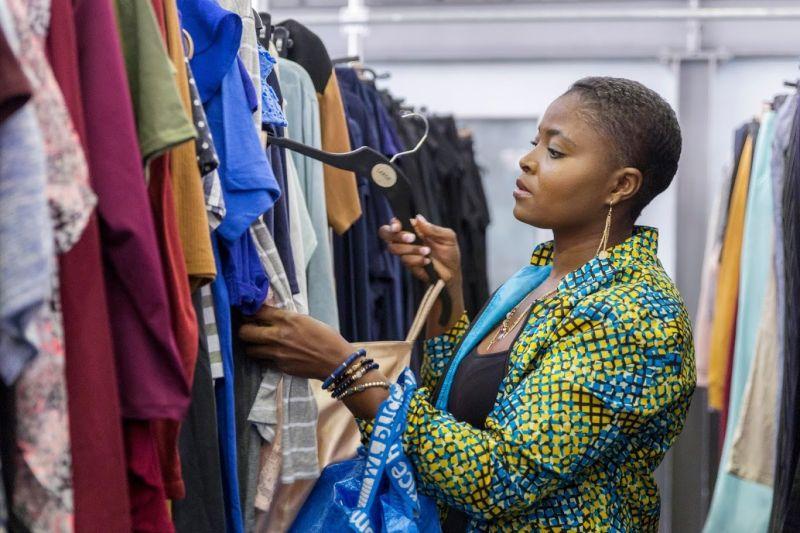
Online shopping is changing how people buy. But physical shops aren’t necessarily becoming irrelevant. They’re being forced to rethink why customers should visit them.
Imagine walking into a clothing shop, finding a shirt you like, checking the size and trying it on. You take a picture, search for the same shirt online, and discover another seller offering it for less. You leave without buying. The shop helped you make a decision, but another business got the sale. This is an increasingly difficult reality for physical retailers. They no longer compete only with the shop next door. They are competing with online stores, social media sellers, delivery platforms, and businesses that don’t carry the same overhead costs. So, will physical shops survive the next decade? Probably. But surviving and remaining competitive are two different things.
The shop is no longer the only place to shop
Customers can now discover products on Instagram, compare prices online, ask questions on WhatsApp, and make payments without ever entering a store. For many businesses, this changes the relationship between the customer and the physical shop. A customer might visit to see a product, then buy it elsewhere. They might discover a business online, visit its premises to build confidence, and complete the purchase later. The shopping journey no longer starts and ends at the shop’s entrance.
So, why would customers still visit?
Because not everything can be experienced through a screen. People still want to try on clothes, test electronics, inspect furniture, speak to someone knowledgeable or get a product immediately. There is also something online shopping cannot always replace: human interaction and the confidence that comes from seeing what you are buying. But these advantages only matter when the experience is worth the visit. A shop with unhelpful staff, confusing prices, limited payment options, or products that are never in stock gives customers very little reason to return.
The physical shop needs a new purpose
Retailers need to think beyond displaying products and waiting for customers. A clothing store could offer personal styling and easy exchanges. An electronics shop could provide demonstrations and technical advice. A supermarket could make shopping faster through better stock management, digital payments, and convenient delivery. Technology doesn’t have to replace the physical shop. It can make the shop more useful. The businesses that connect their online and offline experiences will also have an advantage. Customers should not have to start their journey again every time they switch from Instagram to WhatsApp or walk into a store.
The real question isn’t whether shops will disappear
It is whether customers will continue to find a good reason to choose them. Physical retail will change. Some shops will close, others will adapt, and new retail models will emerge. For business owners, the lesson is worth considering: having a physical location does not guarantee customers. Neither does having products on the shelves. In the next decade, the shops that stand out may not be the ones with the most products, the biggest premises or the lowest prices. They may be the ones that give customers the strongest reason to come back.
Until the next big idea. Keep exploring fresh perspectives, unexpected insights, and ideas that make you see business differently. See you in the next one.
