
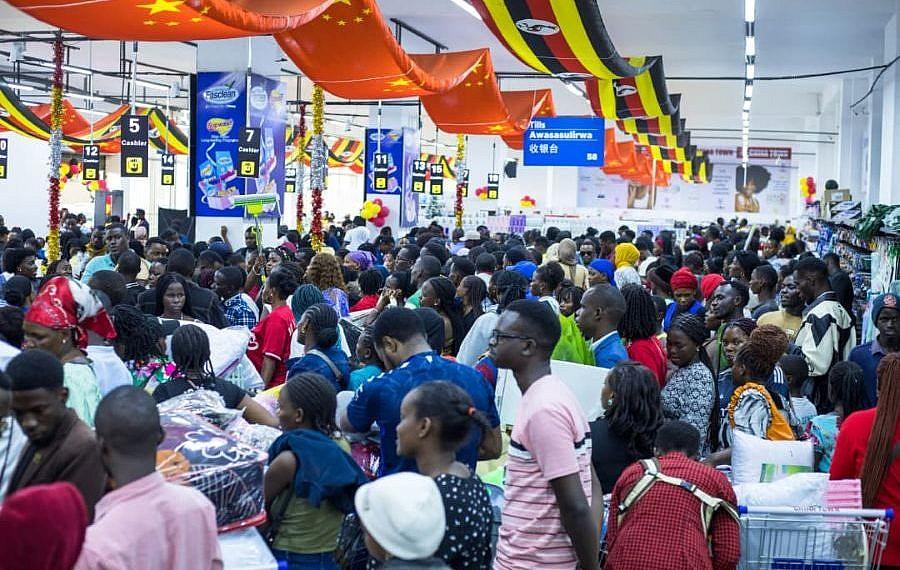
Every unanswered enquiry, delayed delivery, and unnecessary wait has a cost. But how much are businesses really losing through the time their customers spend waiting?
Time is one of the few things a business cannot give back to its customers. Yet businesses waste it every day. A customer sends an enquiry and waits hours for a response. Someone places an order but has no idea when it will arrive. A customer arrives at a shop only to spend 30 minutes in a queue. An employee needs approval to resolve a simple issue, but the decision sits on someone’s desk for days. Individually, these may seem like small inconveniences. But when they happen repeatedly, the cost can be much higher than businesses realise.
The sale you never get to make
A slow response can cost a business an opportunity before it even becomes a sale. Customers rarely have unlimited patience. When someone is comparing suppliers, looking for a service or making an urgent purchase, the business that responds first may have an advantage. A potential customer who receives no response may simply contact another provider. The business might never know that it lost the opportunity. There may be no complaint, no negative review, and no explanation. Just an enquiry that went nowhere. And the same thing happens after a sale. Delayed deliveries, unresolved complaints, and slow service can make customers reconsider whether they should buy from that business again.
Delays cost more than time
The consequences extend beyond customer frustration. Consider what happens when deliveries are delayed. A business may have to make additional calls, rearrange schedules, handle complaints, and spend money correcting the problem. When employees spend hours waiting for approvals, productivity suffers. When customers queue for too long, the business may serve fewer people. When payment confirmations take longer than expected, transactions can stall. These delays consume resources that could have been used to serve more customers, complete more orders, or grow the business. The difficult part is that many of these costs are never recorded under a heading called “delays”. They are absorbed into operating expenses, lost sales, and the everyday frustrations of running a business.
Why do businesses keep making people wait?
Not every delay can be avoided. Stock shortages, technical problems, high demand, and unexpected circumstances are part of doing business. But some delays are created by the way businesses operate. Information is scattered across different departments. Employees don’t know who is responsible for resolving an issue. Decisions depend on one manager. Customer enquiries sit unanswered because there is no clear process for handling them. Sometimes, the problem isn’t a lack of employees or technology. It’s how the work is organised. And adding more people or buying another system won’t necessarily solve a process that is already inefficient.
The question businesses should be asking
How long does it take your business to respond to an enquiry? How long does a customer wait for an order? How quickly are complaints resolved? How many internal approvals slow down everyday decisions? These are not just operational questions. They reveal how easy or difficult it is for customers to do business with you. Businesses should not aim to eliminate every waiting period. Some processes require time, care, and proper checks. The goal is to remove unnecessary delays, communicate clearly when waiting is unavoidable, and make sure customers aren’t left wondering what is happening. Every minute a customer spends waiting is part of their experience with your business. And sometimes, the business cost of keeping them waiting is much greater than the time itself.
Until the next big idea. Keep exploring fresh perspectives, unexpected insights, and ideas that make you see business differently. See you in the next one.
